Seven pathways. One disciplined approach to drone capability.

Precision Airborne connects certificate-backed remote pilot training with practical pathways for institutions, technicians, operators, instructors, hobby learners, and mapping teams.

DGCA-approved RPTO · Authorization No. 34/2025

Explore all training
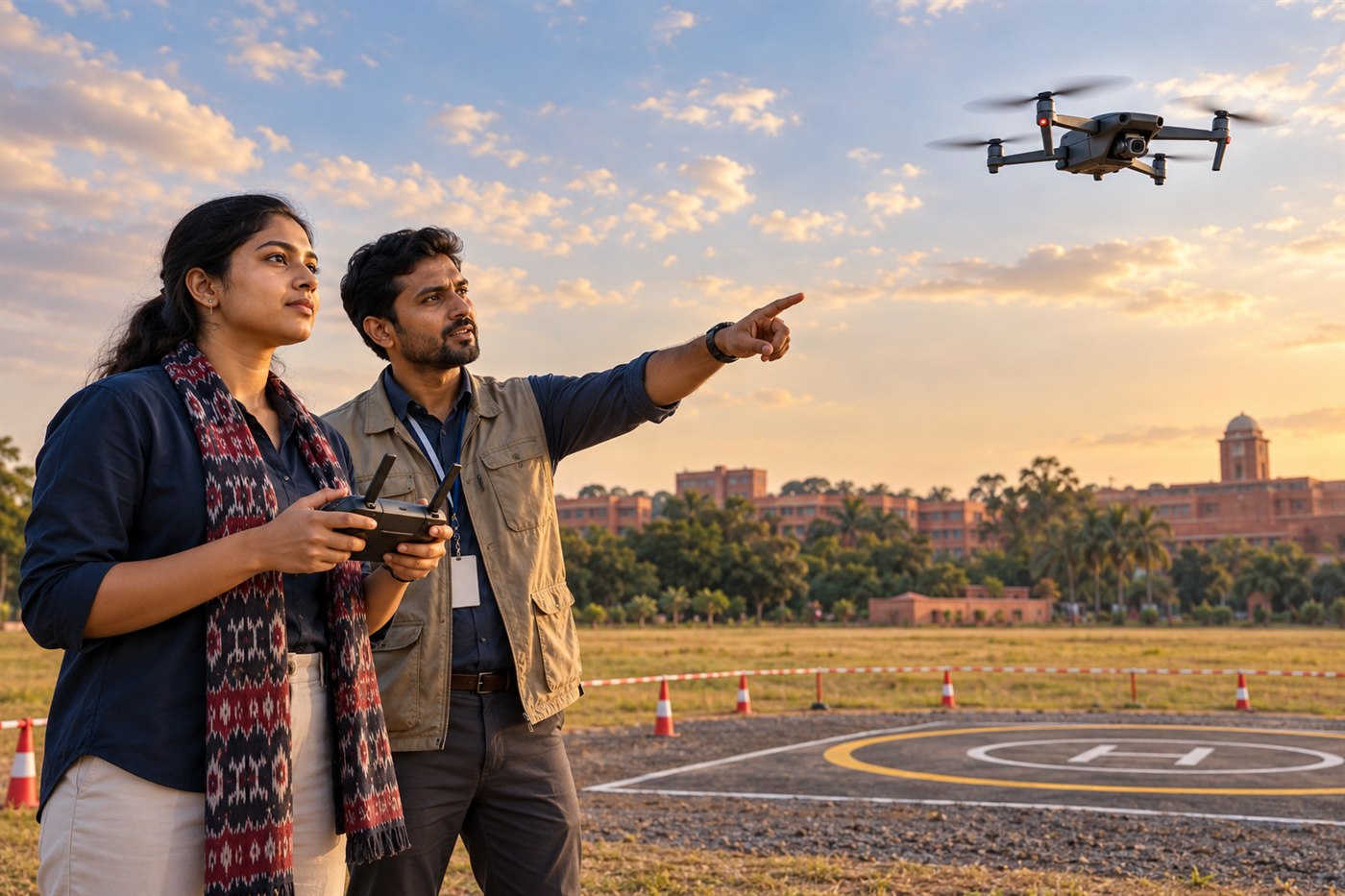
Illustrative scene of supervised remote pilot training at a designated field
Remote pilot learning and field preparationIllustrative training context

Training catalogue

Choose the pathway that matches the work ahead.

Every offering is presented with a clear boundary. Only the Remote Pilot Certificate Programme sits within Precision Airborne's verified DGCA RPTO scope; the other six are professional, institutional, or introductory skill pathways.

  • Regulated RPTO
  • Professional skills
  • Institutional / introductory
  1. 02Institutional · Non-regulated
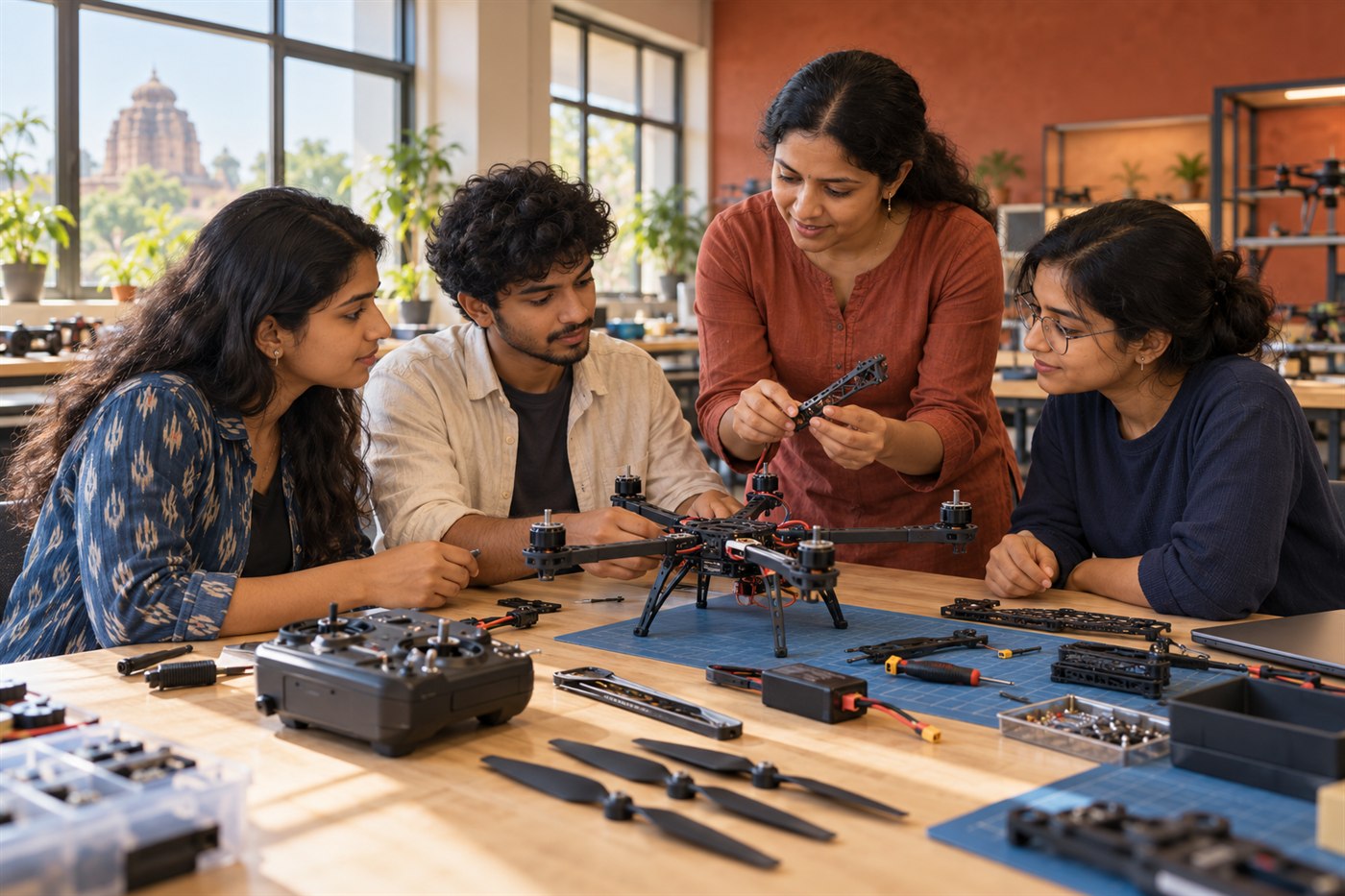
    Illustrative hands-on drone workshop in a college maker lab
    Illustrative workshop environment

    Drone Workshops & Bootcamps

    Modular programmes combining foundations, demonstration, simulation, DIY assembly, and guided practical activity around an institution's brief.

    • Flight and aeromodelling foundations
    • DIY drone assembly and integration
    • Flight controller programming and calibration
    • Simulator, guided flying, and troubleshooting
    For
    Schools, colleges, universities, innovation cells, and teams
    Outcome
    A tailored, participation-led learning experience
  2. 03Professional skills · Non-regulated
    Illustrative drone simulation instruction in a modern classroom
    Illustrative simulator environment

    Drone Simulator Operations

    A six-stage pathway through setup, controls, precision drills, mission planning, abnormal situations, and instructor-reviewed performance.

    • Controller mapping and orientation
    • Precision flight drills
    • Autonomous mission planning
    • Emergency and failsafe scenarios
    For
    New learners, practising operators, and institutions
    Outcome
    More deliberate control and procedural confidence
  3. 04Technical skills · Non-regulated
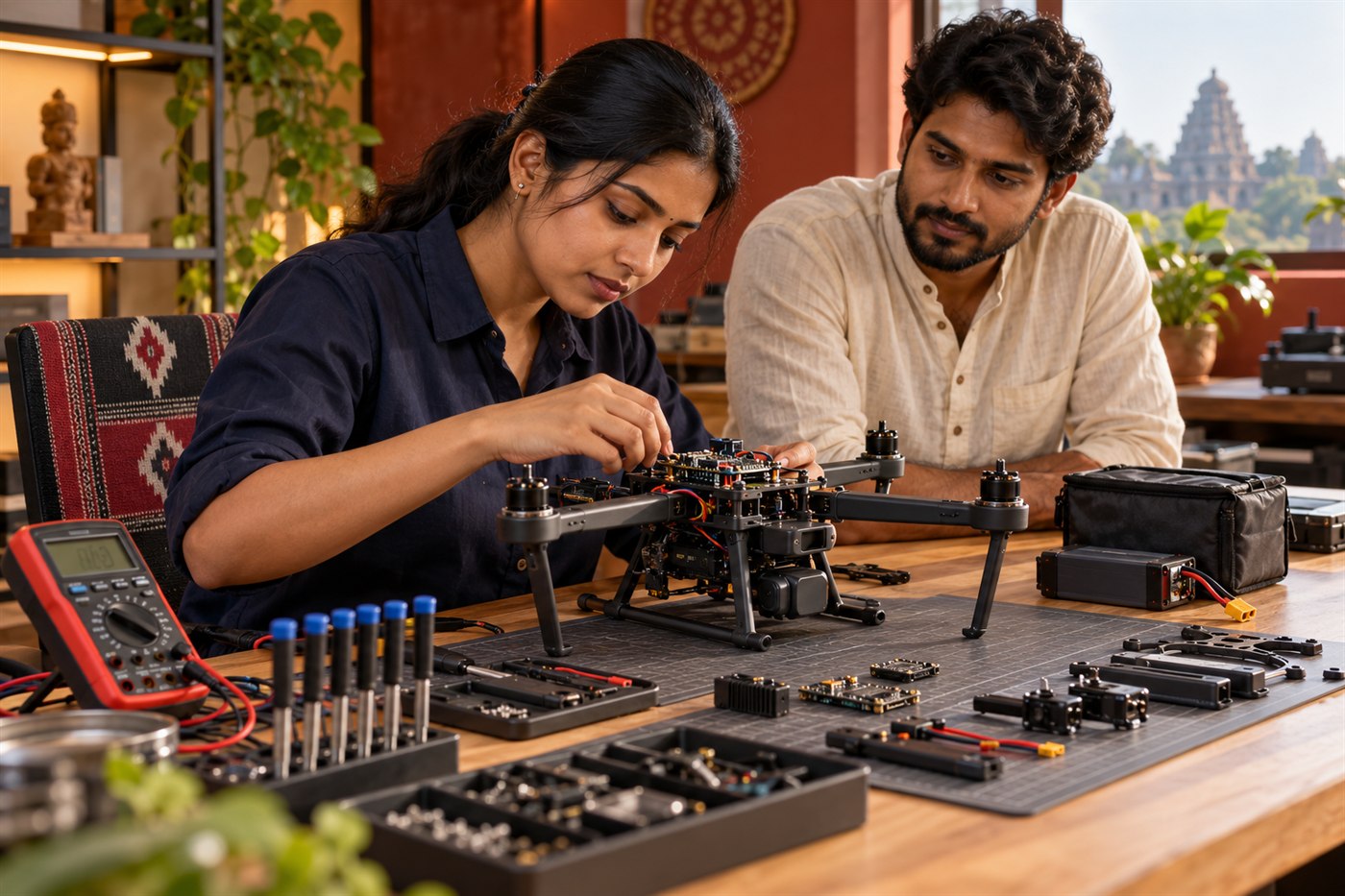
    Illustrative drone technician inspecting an unpowered aircraft
    Illustrative technical environment

    Drone Technician Training

    Components, assembly, configuration, calibration, structured fault finding, preventive maintenance, battery safety, and technical records.

    • Components and subsystems
    • Manufacturing, assembly, and soldering
    • Configuration and calibration
    • Fault diagnosis and preventive maintenance
    • Battery safety and crash recovery
    For
    Engineering, diploma, ITI, operator, and lab teams
    Outcome
    Methodical equipment-readiness and maintenance practice
  4. 05Advanced skills · Non-regulated
    Illustrative instructor briefing an experienced remote pilot
    Illustrative instructor environment

    Instructor Development & Supervised Flight Logging

    Briefing, demonstration, learner supervision, feedback, structured practice, and auditable flight records for eligible remote pilots.

    • Entry and readiness review
    • Supervised flight logging
    • Briefing and demonstration
    • Feedback, logbook, and progress records
    For
    Experienced pilots and teams developing mentors
    Entry
    Credential, experience, and availability confirmed first
  5. 06Introductory · Non-regulated
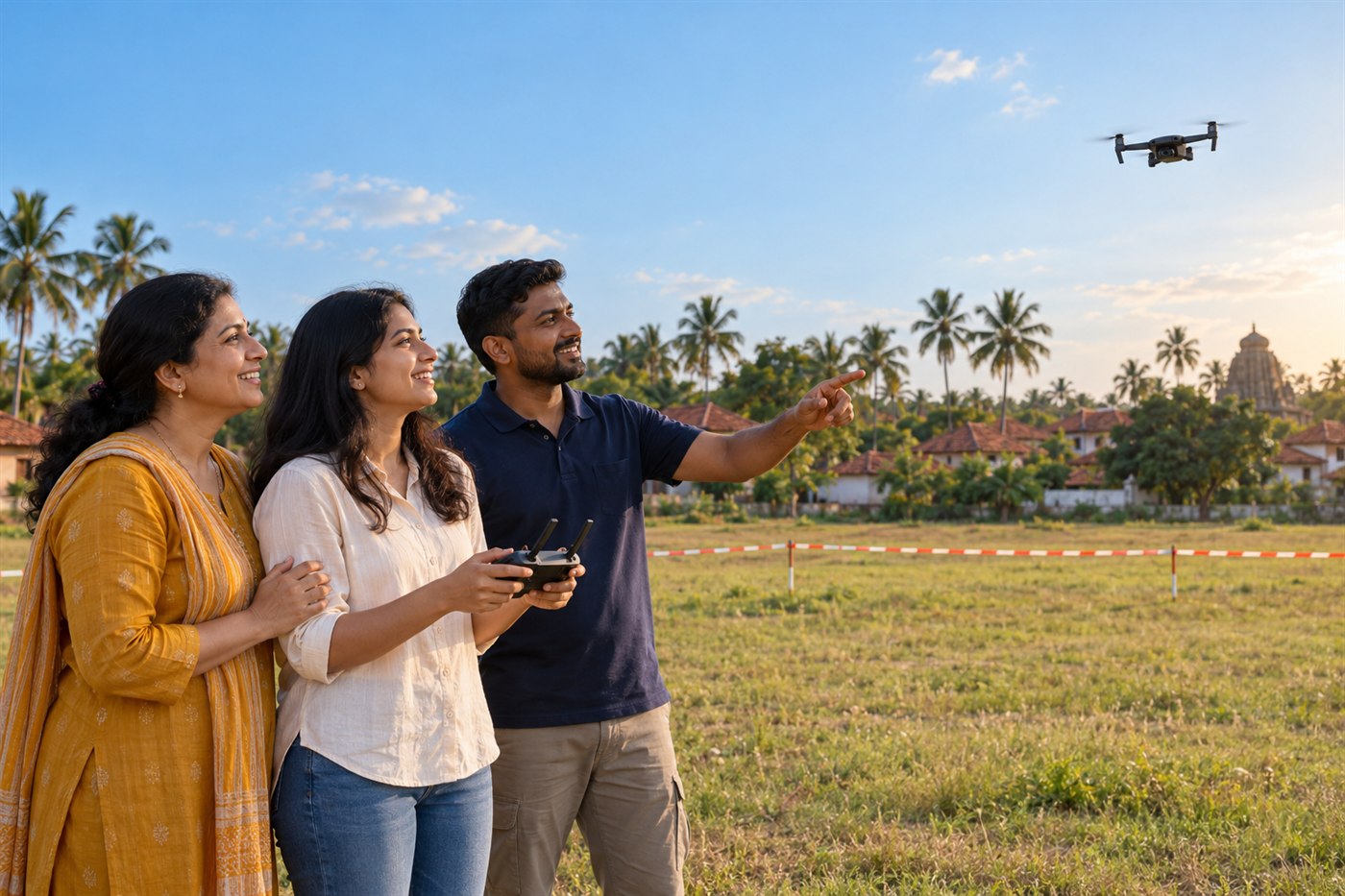
    Illustrative supervised introduction to recreational drone flying
    Illustrative introductory environment

    Drone Hobby Flying

    A responsible introduction to aircraft basics, simulator rehearsal, controls, supervised manoeuvres, equipment care, and sensible next steps.

    • Responsible flying and no-fly awareness
    • Aircraft parts and basic care
    • Simulator and RC control
    • Supervised flying and next steps
    For
    First-time learners, families, clubs, and institutions
    Outcome
    Safe habits and confident first-flight foundations
  6. 07Professional skills · Non-regulated
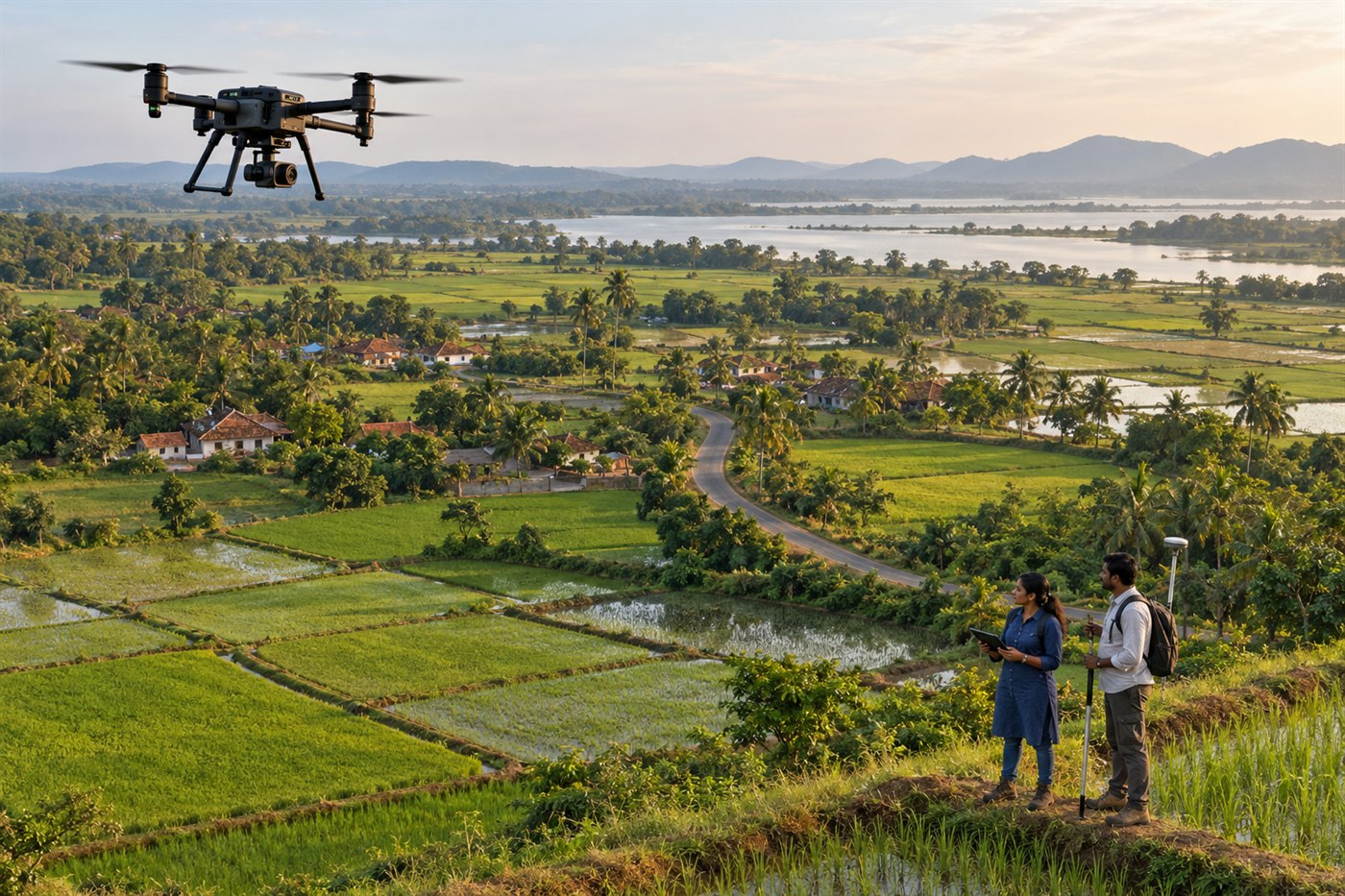
    Illustrative aerial mapping scene over cultivated fields in Odisha
    Illustrative mapping environment

    Aerial Mapping & GIS Training

    Capture planning, photogrammetry context, georeferencing, quality review, measurements, map layers, and organised GIS-ready handoff.

    • Survey flight and payload planning
    • GPS, IMU, and navigation context
    • Photogrammetry, orthomosaics, and terrain models
    • GIS/CAD export and quality review
    For
    Agriculture, construction, infrastructure, and geospatial teams
    Outcome
    A decision-led mapping workflow from brief to delivery

How related modules are grouped: drone building and programming sit within Workshops & Bootcamps; manufacturing, assembly, repair, and maintenance sit within Drone Technician Training; and survey missions, photogrammetry, data processing, and GIS delivery sit within Aerial Mapping & GIS Training.

Programme duration, schedule, fees, equipment, prerequisites, practical access, assessment, and completion documents are confirmed in the current written offer before enrollment.

From fundamentals to supervised flight operations.

Precision Airborne provides a structured learning path designed to develop the knowledge, practical skills, and professional attitude required for responsible drone operations within its approved training scope.

Instruction brings together theory, simulation, practical flight exercises, operational procedures, and competency assessment.

Certificate-backed DGCA training scope

Theory

Build the aviation foundation

Understand unmanned aircraft systems, airspace, weather, safety, regulations, and operating responsibilities.

Simulator

Rehearse before field flight

Develop control familiarity and practise procedures in a structured environment where applicable.

Field

Apply skills under supervision

Prepare the aircraft, perform checks, fly assigned exercises, and respond to operational scenarios.

Assessment

Demonstrate safe judgement

Complete the knowledge and practical evaluations required by the applicable approved programme.

What students learn.

The programme moves from aircraft knowledge to operational responsibility, then into supervised practice and assessment.

Unmanned aircraft systems

Build a working vocabulary for UAV, UAS, and RPAS operations.

Drone categories, major components, flight controllers, propulsion, batteries, navigation, communication, and ground-control systems.

Aviation fundamentals

Understand the forces and conditions that shape every flight.

Lift, weight, thrust, drag, stability, orientation, manoeuvres, weather awareness, and the aviation context of remote operations.

Remote pilot responsibilities

Prepare the mission before the aircraft leaves the ground.

Site assessment, airspace awareness, weather review, equipment checks, communication, situational awareness, and emergency response.

Flight operations

Translate procedures into controlled, repeatable actions.

Aircraft preparation, pre-flight inspection, take-off, hovering, directional control, altitude management, return-to-home, landing, and post-flight records.

How the programme runs.

A five-stage path keeps requirements, learning, and assessment clear before you commit.

Current schedule and fees supplied on enquiry

  1. Admission guidance

    Review eligibility, required documents, approved scope, current schedule, fees, facilities, and enrollment steps.

  2. Orientation

    Understand training rules, safety requirements, attendance, professional conduct, methodology, and flight discipline.

  3. Theoretical training

    Study the aviation, aircraft, weather, safety, and operating subjects applicable to the approved programme.

  4. Simulator and practical training

    Work through aircraft preparation, checks, manoeuvres, mission planning, and supervised emergency scenarios.

  5. Assessment and completion

    Demonstrate theoretical knowledge, flying ability, safety awareness, and operational discipline for the applicable programme outcome.

Training is preparation made visible.

Checklists, instructors, aircraft, safety equipment, and supervised field practice belong to one operating discipline.

Illustrative hands-on drone workshop in a college maker lab
Aircraft preparationIllustrative workshop context
Illustrative instructor briefing an experienced remote pilot
Briefing and supervisionIllustrative field context

DGCA RPTO authorisation, on record.

Precision Airborne Systems Private Limited is authorised under Rule 39 of the Drone Rules, 2021 for the scope recorded below.

Current certificate details

RPTO authorisation
34/2025
Approving authority
DGCA
Validity
1 July 2025 - 30 July 2035
Approved class
Rotorcraft · RPAS · Small
Training category
VLOS (Day/Night)
Base of operations
Near CRIF Building, Odisha 752050

Operations and training remain subject to the certificate conditions, the approved or accepted Training and Procedure Manual, applicable permissions, and current DGCA requirements.

Certification is a starting point.

Remote-pilot capability can support work across aerial mapping, GIS, agriculture, infrastructure, inspection, media, public-service operations, and drone-service entrepreneurship.

Role readiness depends on the employer or project, operating experience, domain knowledge, software skills, permissions, and any additional training required for the work.

  • Mapping and GIS

    Support image capture for orthomosaics, terrain models, site records, and geospatial workflows.

  • Agriculture and infrastructure

    Contribute to planned field observation, progress documentation, and asset-focused missions.

  • Inspection and public service

    Build the operating discipline needed for structured missions where safety, documentation, and coordination matter.

  • Drone-service enterprise

    Combine safe flight practice with client scoping, permissions, equipment care, and dependable deliverables.

Questions to settle before enrollment.

Ask for the current written programme details so scope, schedule, cost, and outcomes are clear.

What are the basic eligibility requirements?
The Drone Rules, 2021 state that an applicant for a Remote Pilot Certificate must be between 18 and 65 years old, have passed Class 10 or an equivalent examination, and complete training from an authorised RPTO. Confirm the current documentation and programme-specific requirements before applying.
What is Precision Airborne’s approved training scope?
RPTO Authorization No. 34/2025 records Rotorcraft, RPAS, Small class training for VLOS (Day/Night). Ask the team to confirm the programme applicable to your intended operation.
What does the training cover?
The learning path combines theory, simulation where applicable, supervised practical flight exercises, operational procedures, safety responsibilities, and competency assessment.
How long is the programme and when is the next cohort?
Duration and cohort dates depend on the current approved programme and availability. Request the latest written schedule before making travel or payment arrangements.
What does the fee include?
Ask for a current fee sheet covering tuition, taxes, registration, certification, equipment, learning materials, accommodation if any, refund terms, and offer validity.
Does training guarantee employment?
No employment outcome is promised. Ask the team what career guidance or placement support is currently available, and evaluate it separately from the regulated training and certification process.

Request the current Precision Airborne training brief.

Choose the pathway and share your preferred timing. The team will respond with its current scope, prerequisites, schedule, fees, inclusions, and enrollment details.

+91 98610 00200
info@precisionairborne.com

By submitting, you ask us to use these details to respond to your enquiry. Read the Privacy Notice.