
Become a remote pilot.
Understand the current programme, eligibility, learning plan, schedule, fees, and enrollment steps before you commit.
- Small-category RPC information
- Team capability building
- Guided programme enquiry
Precision takes flight.
Remote pilot training, drone repair and servicing, and purposeful aerial surveying from Odisha.
DGCA-approved Remote Pilot Training Organisation (RPTO)
Drone in flightFootage: Pexels
Precision Airborne connects Remote Pilot Training with practical drone repair and servicing and clearly scoped aerial surveying near Bhubaneswar.
Regulatory, enterprise, and incubation standing presented as a compact public record.
Public identifiers are shown exactly where supplied and confirmed.
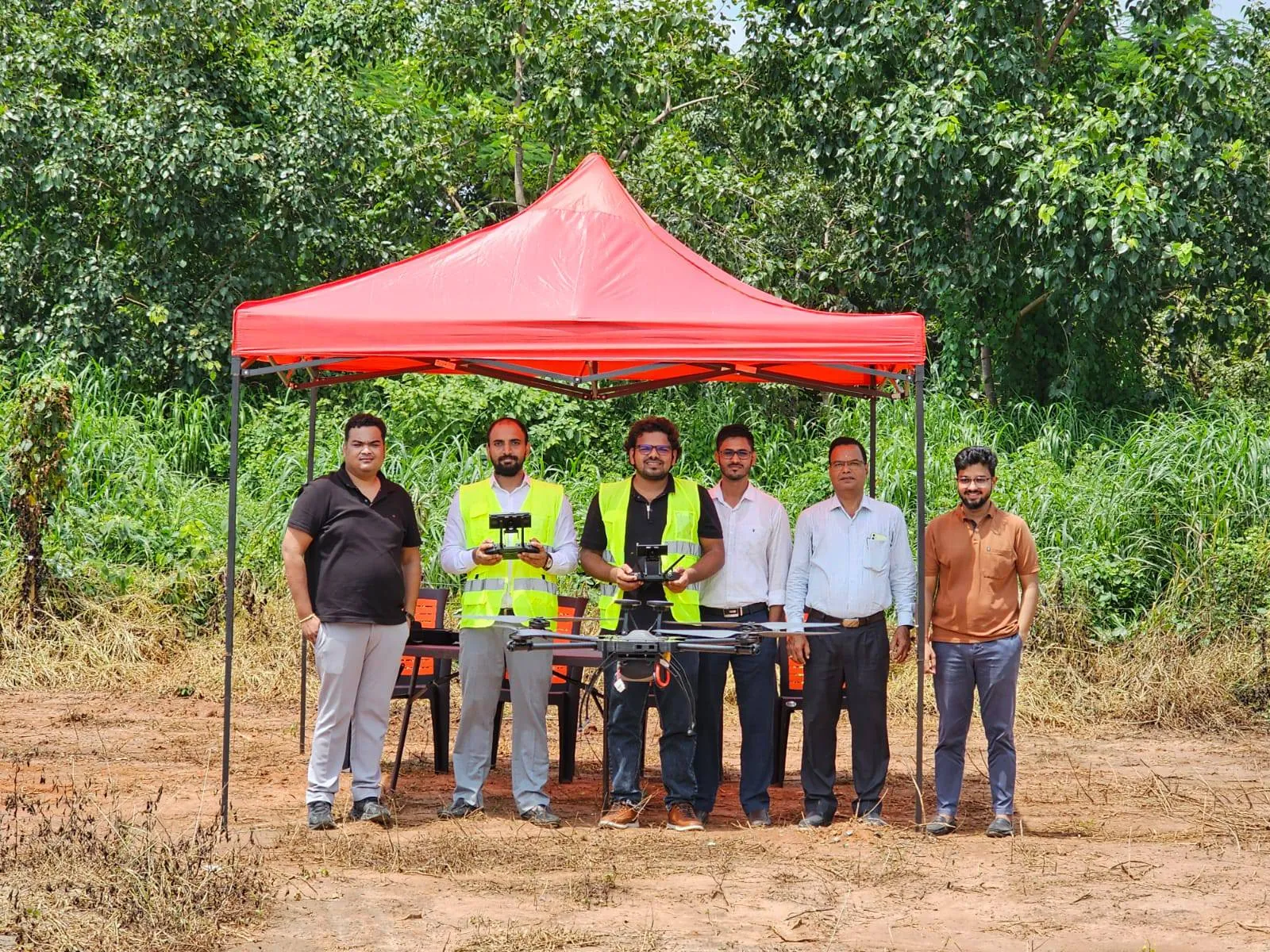
Real field work connects team coordination, pilot judgement, equipment checks, and a clear record of every flight.
Meet the training pathBrief the purpose, site, and aircraft.
Keep pilot judgement connected to field conditions.
Close with organised notes and next steps.
Field team and flight preparationBhubaneswar / Argul
Compare the training pathway or begin shaping a field mission around your goal, site, and required outcome.
Understand the current programme, eligibility, learning plan, schedule, fees, and enrollment steps before you commit.
Begin with the aircraft issue or the site decision, then shape the service around evidence, constraints, and a useful handoff.
Choose the capability that matches your immediate need, then open the full service page before you enquire.
Train with a DGCA-approved RPTO across aviation fundamentals, planning, safety, aircraft handling, field judgement, and documentation.
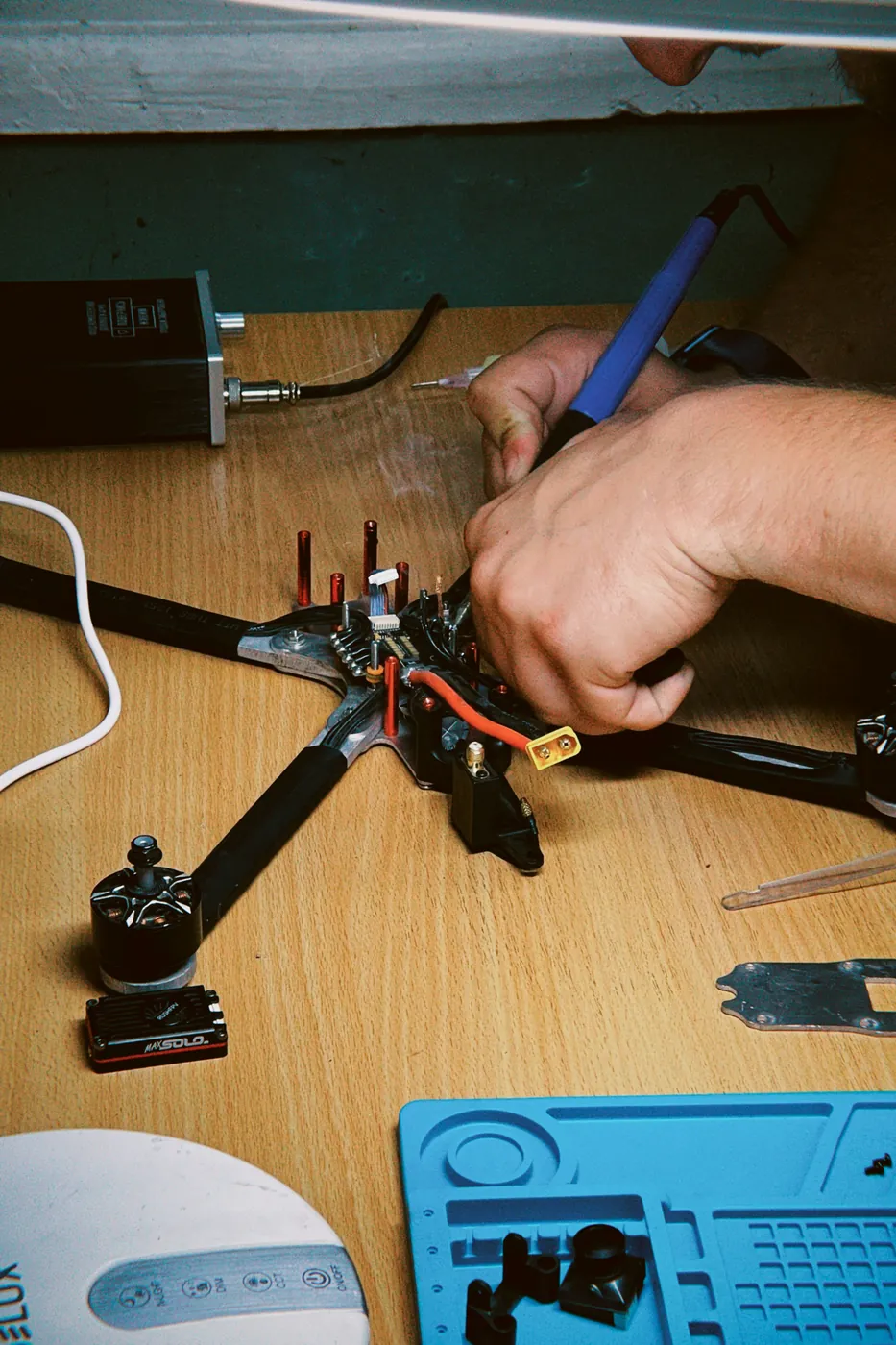
Bring the model, issue history, visible symptoms, and incident context into a structured assessment before work is approved.
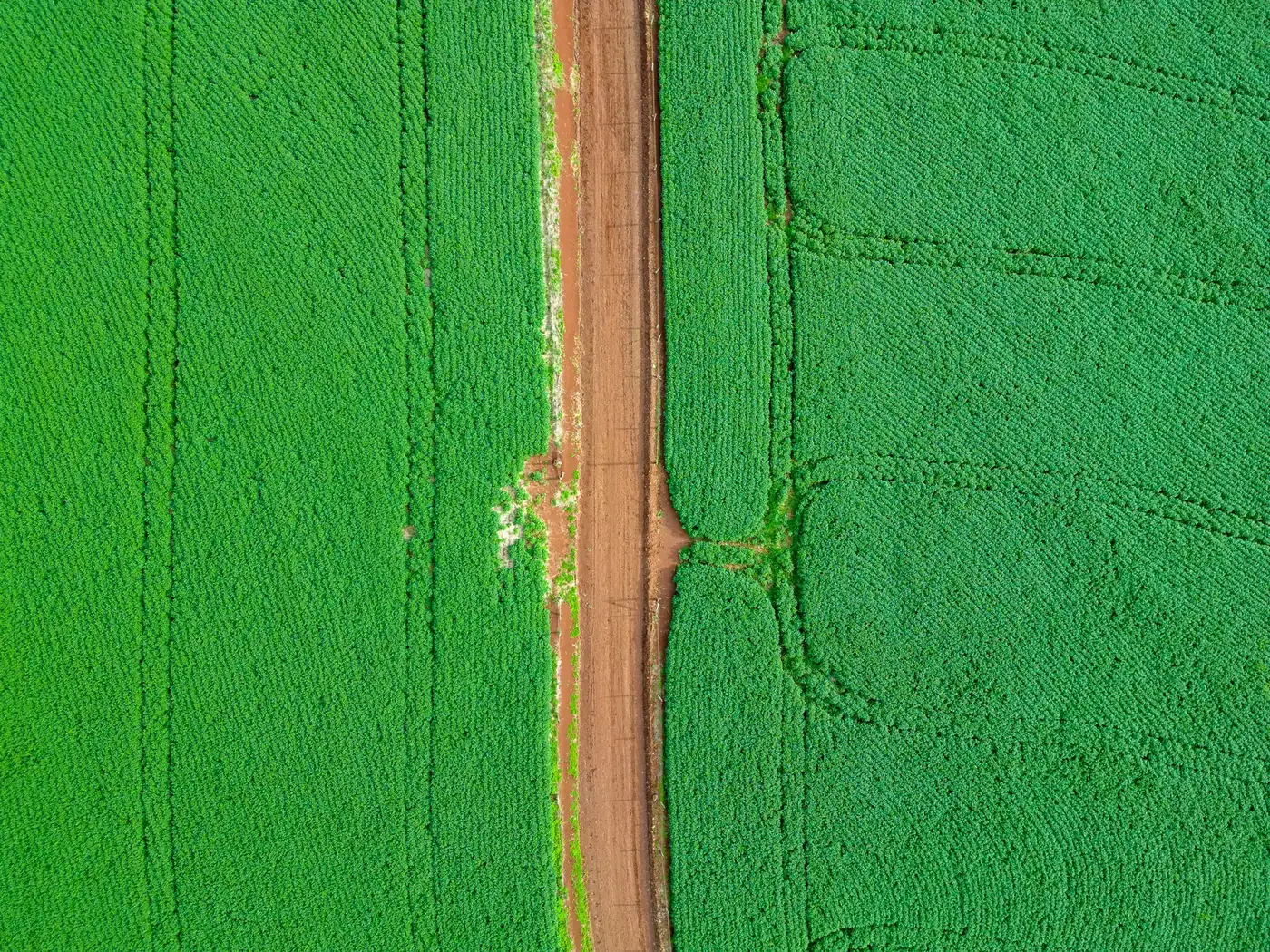
Site boundary, intended use, accuracy expectations, coordinate reference, access, and format belong in the survey brief.
India's aviation framework uses the term Remote Pilot Certificate. Begin with your intended role and aircraft category, then request the current programme in writing.
Rules and programme details can change. Confirm the applicable category, provider authorisation, syllabus, schedule, fees, and certificate wording before enrollment or payment.
The Drone Rules, 2021 state this age range for an applicant seeking a Remote Pilot Certificate.
The rules require Class 10 or an equivalent examination, together with training from an authorised RPTO.
Ask for the current duration, syllabus, location, instructors, fees, taxes, inclusions, cohort dates, certificate wording, refund terms, and support.
Use this five-stage route to compare the programme and make an informed decision.
Tell us the role, sector, and operating context you are preparing for.
Understand the eligibility, duration, fee, schedule, location, and certificate path.
Review the current requirements and documents requested for your programme.
Confirm the classroom, simulator, field, safety, practical, and assessment components.
Follow the registration and payment steps supplied directly by the team.
The mission is to build practical aviation capability while keeping every training decision and field operation grounded in preparation, professional conduct, and a useful outcome.
People, airspace, weather, equipment, site access, and contingencies are considered before a flight or practical session begins.
Theory connects to simulator work, equipment care, field judgement, documentation, and responsible operating habits.
Repair and servicing begin with symptoms and inspection, followed by an agreed scope and a clear handover.
Aerial capture begins with the site decision and required deliverable, not simply with the aircraft.
Start with the practical details that help the team understand your training goal or mission.
Choose an enquiry type and share only the context the team needs to respond. Your entries remain in the form if sending fails.